
Burgundy
Burgundy (Bourgogne in French) is one of the most prestigious and terroir-obsessed wine regions on the planet. Located in eastern France, it is celebrated for producing some of the finest Pinot Noir and Chardonnay wines in the world. What sets Burgundy apart is its singular focus on terroir: the idea that soil, slope, exposure, and microclimate all shape the character of the wine in subtle but meaningful ways. This has led to the region being divided into hundreds of climats—individual vineyard plots that have been meticulously mapped and classified over centuries.
The hierarchy of Burgundy’s appellations ranges from regional (Bourgogne) to village-level, Premier Cru, and the top tier, Grand Cru. While production is relatively small and fragmented—with many growers owning just a few rows of vines—the wines command intense global interest and often come with corresponding price tags. Burgundy’s climate is semi-continental, with cold winters, hot summers, and the constant threat of spring frost or summer hail, making each vintage unique and sometimes precarious.
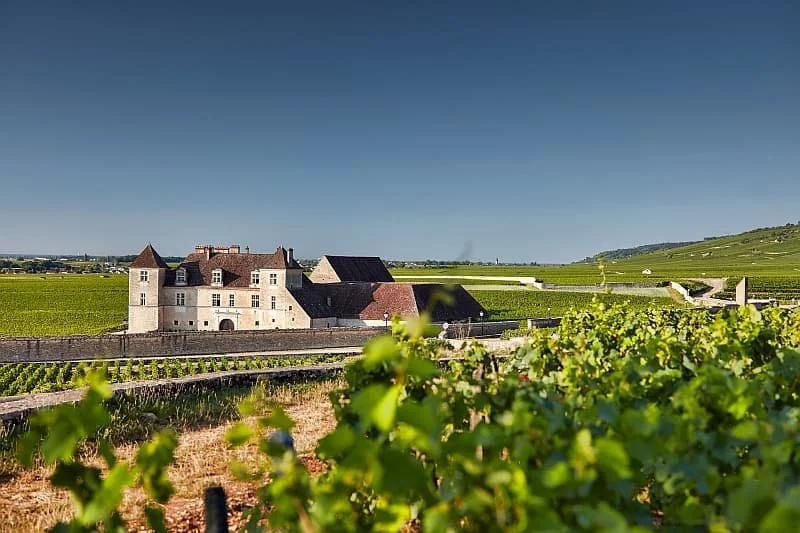
The Côte de Nuits, the northern half of the Côte d’Or, is synonymous with world-class Pinot Noir. Stretching from Dijon to Corgoloin, this narrow strip of vineyard-covered slopes produces some of the most celebrated red wines in the world. All of Burgundy’s red Grand Cru vineyards (except one) are found here, in legendary villages like Gevrey-Chambertin, Morey-Saint-Denis, Chambolle-Musigny, Vougeot, and Vosne-Romanée. Wines from the Côte de Nuits are typically structured, aromatic, and built to age, often with notes of red and black berries, earth, spice, and an underlying minerality.
Producers like Domaine de la Romanée-Conti, Armand Rousseau, and Comte Georges de Vogüé have elevated these wines to cult status. While the Grand Crus are the pinnacle, excellent value and craftsmanship can also be found in village and Premier Cru bottlings. The Côte de Nuits produces very little white wine, making its focus on Pinot Noir all the more specialized and revered.
Directly south of the Côte de Nuits lies the Côte de Beaune, which produces a broader mix of styles and is known as much for its exceptional white wines as its reds. Villages such as Puligny-Montrachet, Chassagne-Montrachet, and Meursault are home to many of Burgundy’s greatest white Grand Crus, crafting Chardonnays of incredible precision, minerality, and aging potential. These wines often show notes of citrus, orchard fruit, hazelnut, and a signature creamy texture balanced by fresh acidity.
Red wines from the Côte de Beaune—particularly from Pommard, Volnay, Beaune, and Savigny-lès-Beaune—are typically softer and more perfumed than their northern counterparts, with more immediate charm and approachability. While often overlooked in favor of Côte de Nuits, many red Côte de Beaune wines offer superb value and aging potential. The region's diversity of soils—limestone, marl, and clay—allows both Pinot Noir and Chardonnay to shine in different expressions, making it the most stylistically balanced part of Burgundy.
Separated from the Côte d’Or by roughly 100 miles to the northwest, Chablis feels like a different world altogether, but it is firmly part of Burgundy. This cool-climate region is devoted almost exclusively to Chardonnay, producing wines that are steely, mineral, and laser-focused. The signature soil here is Kimmeridgian limestone, rich in marine fossils, which contributes to Chablis' trademark flintiness and saline finish.
Chablis wines are typically unoaked or lightly oaked, with high acidity and flavors of green apple, lemon peel, crushed stone, and sometimes oyster shell. The appellation hierarchy mirrors the rest of Burgundy, with Petit Chablis (from higher, less desirable slopes), Chablis, Premier Cru, and Grand Cru levels. The seven Grand Cru climats, such as Les Clos and Valmur, lie on a single south-facing hillside and produce some of the most structured, long-lived white wines in France.
Unlike the Côte d'Or, Chablis operates at a slightly lower price point, and offers some of the best-value white Burgundy on the market, especially at the village and Premier Cru levels.
From the silky power of Vosne-Romanée, to the golden elegance of Montrachet, to the chiselled purity of Grand Cru Chablis, Burgundy is a region where every nuance of site and vintage matters. It demands attention, rewards patience, and continues to inspire winemakers and wine lovers around the world.