Rhone Valley
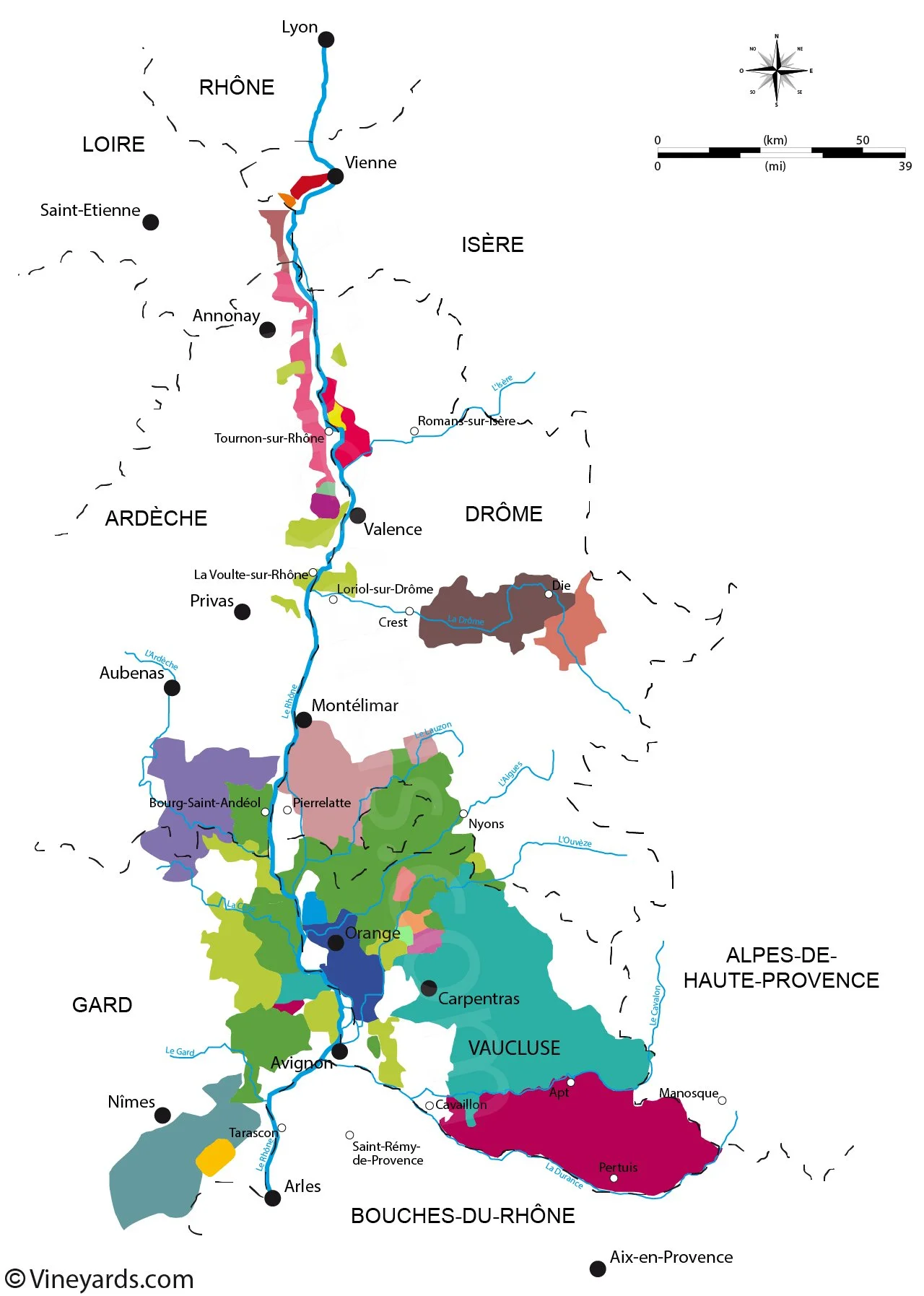
The Rhône Valley, stretching from Lyon to Avignon in southeastern France, is one of the country’s most celebrated and diverse wine regions. Known for its rich winemaking history, stunning landscapes, and wide range of wine styles, the Rhône is effectively divided into two distinct subregions: the Northern Rhône and the Southern Rhône. Though united under the Rhône name, these two areas differ significantly in climate, grape varieties, and wine philosophy.
With over 70,000 hectares under vine, the Rhône produces a remarkable spectrum of wines—bold reds, perfumed whites, vibrant rosés, and luscious fortified wines. The climate ranges from continental in the north to Mediterranean in the south, contributing to the variation in grape expression and ripeness. The region is home to over 30 AOCs, and while formal classifications are limited, the best producers and appellations are globally recognized for quality and character.
Northern Rhône
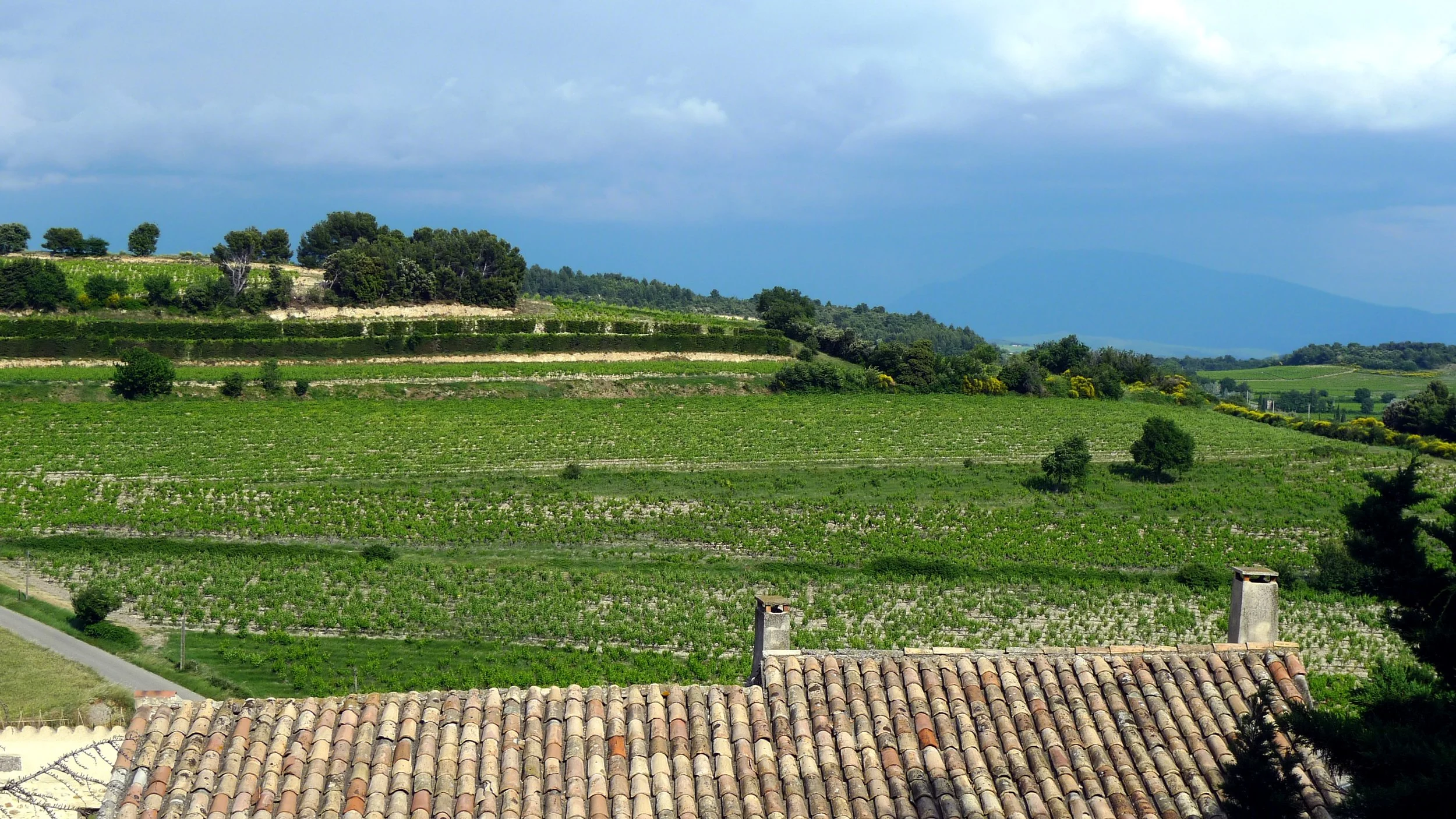
The Northern Rhône is a narrow stretch of vineyards clinging to the steep granite slopes along the Rhône River, just south of Lyon. This subregion is known for producing some of France’s most iconic and age-worthy red wines from a single grape: Syrah. As the only permitted red variety in the north, Syrah here yields wines that are elegant, savory, and structured, with notes of black olive, pepper, violet, and smoke.
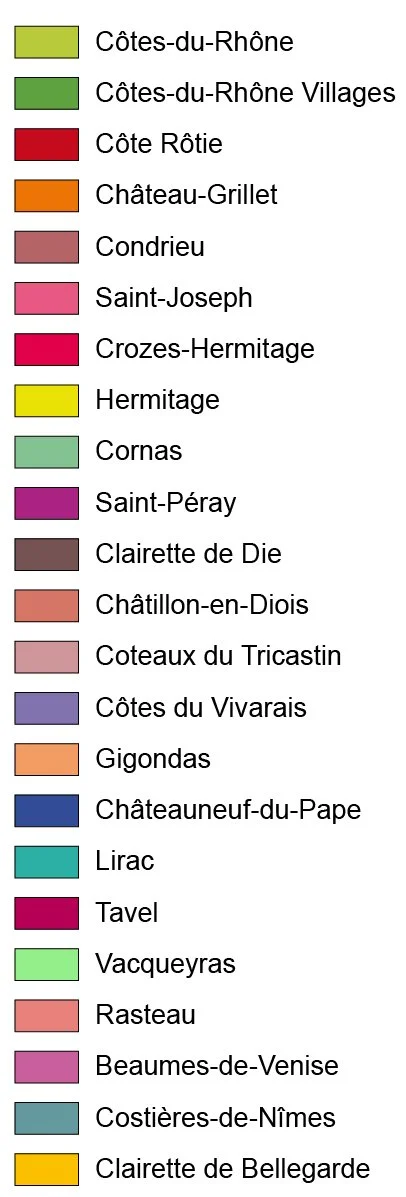
Appellations such as Côte-Rôtie, Hermitage, Cornas, Saint-Joseph, and Crozes-Hermitage are revered for their power and refinement. The whites from the north—made from Viognier in Condrieu and blends of Marsanne and Roussanne in Hermitage Blanc and Saint-Péray—are aromatic, textural, and capable of aging gracefully. Due to the steep terrain, viticulture is labor-intensive, contributing to the low yields and high prestige of these wines.
Northern Rhone
Southern Rhone
Southern Rhône
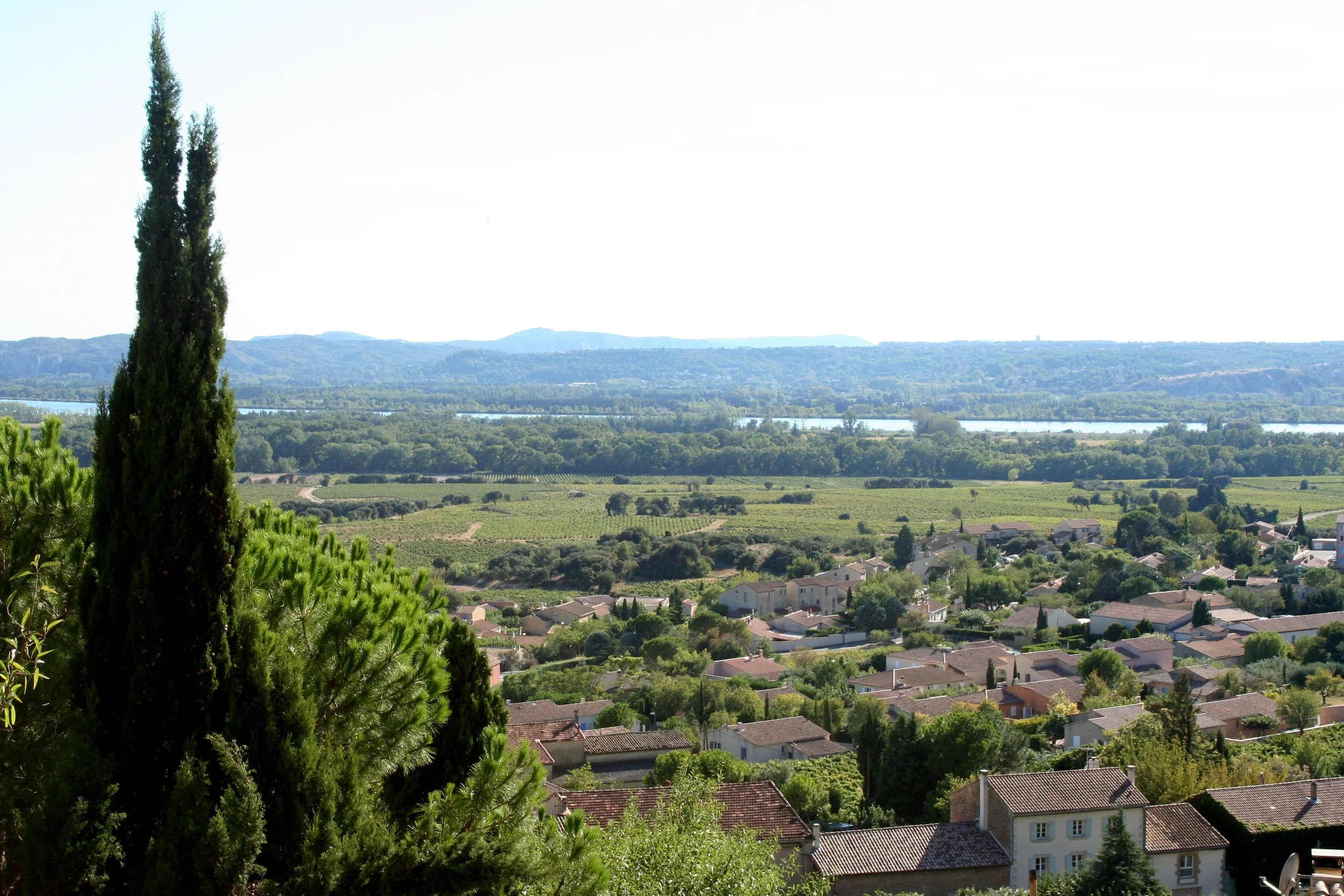
The Southern Rhône is broader and more Mediterranean in character, with rolling vineyards, sun-drenched plateaus, and alluvial soils. Here, blending is king, with Grenache leading the charge, supported by Syrah, Mourvèdre, Cinsault, Carignan, and other indigenous varieties. The reds are typically generous, full-bodied, and spicy, with flavors of ripe red fruit, herbs (garrigue), and earthy minerality.
The most famous appellation is Châteauneuf-du-Pape, known for its powerful, complex red blends and unique use of up to 18 permitted grape varieties. Other key appellations include Gigondas, Vacqueyras, Lirac, Tavel (renowned for rosé), and Côtes du Rhône, the latter of which offers a wide range of value-driven everyday wines. The Southern Rhône also produces rosés and increasingly popular whites, often based on Grenache Blanc, Clairette, Roussanne, and Bourboulenc.
Together, the Northern and Southern Rhône offer a remarkable contrast of terroir, grape varieties, and style, yet both reflect the region’s commitment to expressive, sun-drenched wines with a strong sense of place. Whether it’s the refined precision of Côte-Rôtie, the luxurious depth of Châteauneuf-du-Pape, or the value and charm of Côtes du Rhône, the Rhône Valley continues to captivate wine lovers with its balance of tradition, diversity, and innovation.